
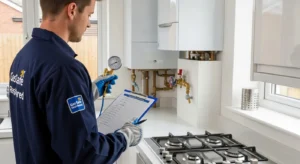
Gas appliances play an important role in many homes and rental properties. Boilers, cookers, and heating systems provide comfort and convenience, but they must operate safely. A Gas Safety Certificate is an official document that confirms gas appliances in a property have been inspected and meet safety standards.
Gas safety inspections help prevent accidents caused by faulty appliances. Problems such as gas leaks or carbon monoxide exposure can occur when equipment is not maintained properly. Regular inspections carried out by qualified professionals ensure that these risks are minimized.
In the United Kingdom, gas safety regulations require landlords to arrange annual gas safety checks for rental properties. During these inspections, a Gas Safe registered engineer checks appliances, ventilation, and gas connections. Once everything is confirmed to be safe, the engineer provides a certificate as proof of compliance.
Understanding how gas safety checks work helps property owners maintain safe environments while meeting legal requirements.
What Is a Gas Safety Certificate?
A gas safety certificate is a document issued after a professional inspection of gas appliances within a property. The inspection is conducted by a certified engineer who evaluates the safety and performance of appliances such as boilers, gas heaters, and cookers.
This certificate is often known as a CP12 certificate, especially when it relates to rental properties. It records important details, including the inspection date, the appliances tested, and the engineer who performed the inspection.
The certificate also indicates whether the appliances passed the safety checks or require repairs. Property owners must address any safety issues identified during the inspection before the appliances can be considered safe for use.
For landlords, keeping an up-to-date Gas Safety Certificate is a legal requirement. For homeowners, the certificate serves as proof that appliances are maintained properly and operating safely.
Why Gas Safety Checks Are Important
Gas safety checks are essential because gas appliances can develop faults over time. Wear and tear, blocked ventilation, or poor installation can cause appliances to operate inefficiently or dangerously.
One major risk associated with faulty appliances is carbon monoxide poisoning. Carbon monoxide is a colorless gas that can be extremely harmful when inhaled. Proper inspections ensure that appliances burn fuel correctly and release harmful gases safely through ventilation systems.
Gas safety inspections also help identify minor issues before they become serious problems. Regular maintenance can extend the lifespan of appliances and improve their efficiency.
Another important reason for inspections is compliance with UK regulations. Landlords must provide safe living conditions for tenants. A valid gas safety record demonstrates that the landlord has taken the necessary steps to maintain safe appliances within the property.
Who Needs a Gas Safety Certificate?
The requirement for a gas safety certificate depends on how the property is used. Landlords are the primary group required by law to arrange annual gas safety inspections.
When a property is rented, every gas appliance supplied by the landlord must be checked each year. After the inspection, tenants must receive a copy of the certificate to confirm that the appliances have been tested.
Letting agents and property managers often organize these inspections on behalf of landlords. They maintain records and ensure that inspections are scheduled before the previous certificate expires.
Homeowners are not legally obligated to obtain a certificate. However, many choose to arrange inspections regularly to maintain safe appliances and prevent unexpected issues.
Businesses that use gas appliances may also require inspections depending on the type of equipment used. Commercial kitchens and industrial properties often have specific safety requirements for gas systems.
Types of Gas Safety Certificates
There are several types of certificates depending on the property and appliances involved. The most common type is the CP12 certificate, which applies to residential rental properties.
Commercial gas safety certificates are used for workplaces such as restaurants or offices where gas appliances operate regularly. These inspections focus on equipment used in business operations.
Properties that use liquefied petroleum gas require LPG gas safety certificates. This type of inspection confirms that LPG appliances and storage systems operate safely.
Catering businesses often require additional inspections because commercial kitchens rely heavily on gas equipment. Each type of certificate ensures that appliances are tested and comply with relevant safety regulations.
UK Gas Safety Regulations
Gas safety regulations in the UK exist to protect tenants and property occupants. The Gas Safety Installation and Use Regulations outline the responsibilities of landlords regarding gas appliances.
According to these rules, landlords must arrange a gas safety inspection every twelve months. The inspection must be performed by a qualified engineer registered with the Gas Safe Register.
Landlords must also maintain records of inspections and provide tenants with copies of the gas safety record. If a tenant moves into a property, they should receive a copy of the certificate before occupying the property.
These regulations ensure that rental properties remain safe and that any faults in gas systems are identified and repaired promptly.
What Happens During a Gas Safety Inspection?
A gas safety inspection involves several checks performed by a qualified engineer. Each appliance connected to the gas supply is examined to ensure it operates safely.
The engineer tests gas appliances to confirm they burn fuel efficiently. They also check for gas leaks and ensure that gas pressure levels are correct.
Ventilation systems are inspected to confirm that harmful gases can escape safely. The engineer also examines flues and chimneys to ensure that combustion gases are directed outside the building.
Safety devices within appliances are tested to confirm they function correctly. If any appliance fails the inspection, the engineer may recommend repairs or replacement before it can be used again.
How to Get a Gas Safety Certificate
Obtaining a gas safety certificate is a simple process. Property owners must first contact a Gas Safe-registered engineer who is qualified to perform the inspection.
Once the engineer is booked, an inspection date is scheduled. During the visit, the engineer performs a detailed gas safety check on each appliance within the property.
After the inspection, the engineer records the results and issues a certificate if all appliances meet safety standards. If any issues are discovered, repairs must be completed before the certificate can be issued.
Property owners should keep a copy of the certificate and arrange the next inspection before the current certificate expires.
Cost of a Gas Safety Certificate
The cost of a gas safety inspection can vary depending on several factors. These include the number of appliances in the property and the location of the inspection.
A property with multiple gas appliances may require more time to inspect, which can increase the overall cost. Commercial properties may also have higher inspection fees because of more complex equipment.
Despite the cost, regular inspections are important because they prevent expensive repairs and ensure compliance with safety regulations.
Validity Period of a Gas Safety Certificate
A Gas Safety Certificate remains valid for twelve months from the date of inspection. Landlords must arrange a new inspection before the current certificate expires.
Scheduling inspections in advance helps ensure that the property remains compliant with gas safety regulations. Regular inspections also allow engineers to identify maintenance needs early.
Maintaining up-to-date certificates helps landlords demonstrate that they are fulfilling their legal responsibilities.
Risks of Not Having a Gas Safety Certificate
Failing to arrange gas safety inspections can result in serious consequences. Landlords who do not comply with safety regulations may face legal penalties or fines.
In some situations, failure to maintain safe appliances could lead to criminal charges if tenants are placed in danger. Insurance claims may also be affected if safety inspections are not carried out as required.
Beyond legal issues, the most serious risk is the safety of occupants. Faulty gas appliances can cause fires, explosions, or carbon monoxide poisoning. Regular inspections help prevent these dangerous situations.
Tips for Maintaining Gas Safety at Home
Property owners can take simple steps to keep gas appliances safe between inspections. Regular servicing of boilers and heating systems helps maintain efficiency and safety.
Installing carbon monoxide detectors provides an extra layer of protection. These devices alert occupants if dangerous gas levels are detected.
Homeowners and tenants should also watch for warning signs such as unusual smells near gas appliances, yellow flames instead of blue flames, or unusual noises from equipment. If any of these signs appear, contacting a qualified engineer is recommended.
Frequently Asked Questions
How often should gas appliances be checked?
Landlords must arrange inspections annually, while homeowners should schedule regular servicing to maintain safety.
Who can issue a gas safety certificate?
Only engineers registered with the Gas Safe Register are authorized to perform inspections and issue certificates.
Do tenants receive a copy of the certificate?
Yes, landlords must provide tenants with a copy of the gas safety record after each inspection.
What does a gas safety inspection include?
The inspection includes checking gas appliances, ventilation systems, gas pressure levels, and safety devices.
Conclusion
Gas safety inspections are essential for maintaining safe homes and rental properties. Regular checks performed by qualified engineers help identify potential hazards and ensure that appliances operate correctly. By arranging inspections, maintaining appliances, and following safety regulations, property owners can protect occupants and create safer living environments.






Leave a Reply